
Where to Begin
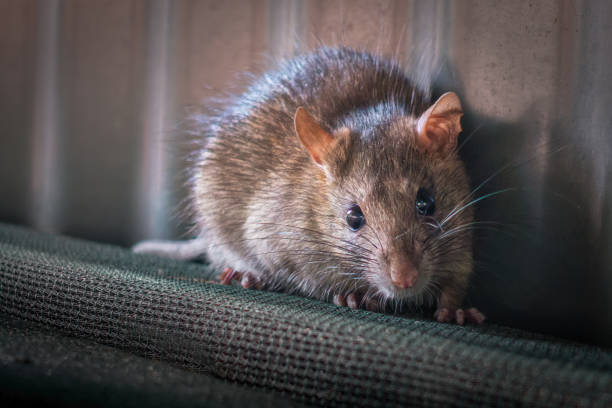
When El Niño conditions bring warmer temperatures and periods of dry weather to parts of Texas, rodents may search for reliable sources of food, water, and shelter around homes and businesses. Changes in weather and outdoor conditions can influence rodent activity, making it important to watch for signs of mice and rats around your property.
Rodents can squeeze through surprisingly small openings, hide in wall voids and storage areas, and contaminate food or surfaces with their droppings and urine. They may also chew on wires, insulation, packaging, and other materials. As outdoor conditions change, garages, attics, sheds, kitchens, and other sheltered spaces can provide rodents with opportunities to settle indoors.
El Niño does not automatically mean a rodent infestation will occur. However, preparing for changing weather conditions and reducing access to food, water, and shelter can help make your property less attractive to rodents.
In this guide, you’ll learn how El Niño-related weather patterns may influence rodent activity, how to recognize warning signs, and what steps you can take to help protect your home.
Quick Navigation
🐀 Common Rodent Habits
Learn where mice and rats hide, what attracts them, and how they may enter your property.
🔍 Signs of Rodent Activity
Recognize droppings, gnaw marks, nesting materials, and other clues that rodents may be present.
🌦️ How El Niño May Affect Rodent Activity
Understand why changing weather conditions can influence rodents’ search for food, water, and shelter.
🛠️ What to Do If You Notice Rodents
Discover practical steps to reduce rodent activity and address the conditions attracting them.
By submitting this form, you are consenting to receive marketing emails from: Stride Pest Control. You can revoke your consent to receive emails at any time by using the SafeUnsubscribe® link, found at the bottom of every email. Emails are serviced by Constant Contact
🛡️ Rodent Prevention Tips
Prepare your home and property by sealing entry points, managing food sources, and reducing hiding places.
Why Rodent Control Matters
Rodents are adaptable pests that can live near people when food, water, and shelter are available. During periods of changing weather, they may shift where they forage or seek protection. Once inside a building, they can remain hidden until signs of activity become noticeable.
Rodents can:
✔️ Contaminate food, countertops, and storage areas with droppings and urine
✔️ Chew electrical wiring, insulation, packaging, and other materials
✔️ Nest in attics, wall voids, garages, sheds, and cluttered storage spaces
✔️ Enter through gaps around doors, foundations, pipes, vents, and utility lines
✔️ Reproduce quickly when food and shelter are readily available
✔️ Carry germs and parasites that may pose health risks to people and pets
✔️ Return to areas where food, water, and suitable nesting materials remain accessible
Early detection can help you address rodent activity before it becomes more difficult to manage.
Common Rodent Habits
Mice and rats are resourceful animals that look for safe places to nest and dependable sources of food and water. Their behavior can vary depending on the species, surrounding environment, and available resources.
✔️ Seek shelter: Rodents may use attics, garages, crawl spaces, sheds, and wall voids as nesting areas.
✔️ Follow food sources: Pet food, pantry items, birdseed, garbage, and fallen fruit can attract rodents.
✔️ Look for water: Leaky pipes, dripping faucets, pet water bowls, and other accessible water sources may support rodent activity.
✔️ Chew and gnaw: Rodents gnaw on various materials and may damage wiring, packaging, and stored belongings.
✔️ Use small openings: Mice can enter through very small gaps, while rats may use openings around damaged doors, foundations, and utility lines.
✔️ Stay hidden: Rodents are often most active when people are less likely to notice them.
✔️ Nest near resources: Areas with food, water, nesting materials, and minimal disturbance can provide favorable conditions.
When outdoor weather changes, rodents may adjust their movements in search of suitable conditions. Keeping your property maintained can help reduce the resources available to them.
How El Niño May Affect Rodent Activity
El Niño is a climate pattern associated with changes in ocean temperatures that can influence weather across different regions. In Texas, its effects can vary by season and location, so it should not be assumed that every El Niño event will cause drought or an increase in rodents.
However, weather-related changes can influence rodent behavior in several ways:
🌡️ Changing Temperatures
Rodents may seek sheltered areas when outdoor conditions become uncomfortable. Buildings can offer protection from temperature extremes.
🌵 Dry Conditions and Water Sources
If dry weather reduces available water outdoors, rodents may investigate accessible water around homes and businesses.
🌧️ Heavy Rain or Flooding
When substantial rainfall or flooding occurs, rodents may move away from affected nesting areas and explore drier shelter. This depends on local conditions.
🌿 Changes in Outdoor Food and Vegetation
Weather can affect vegetation, seeds, and other food sources. Rodents may adjust their foraging patterns as resources change.
🏠 Access to Buildings
Garages, sheds, attics, and crawl spaces can provide shelter when outdoor conditions become less favorable.
The key takeaway: El Niño does not guarantee increased rodent activity. Monitoring your property and removing the conditions that attract rodents are practical prevention steps regardless of the weather.
Signs You May Have a Rodent Problem
Watch for these common warning signs:
✔️ Droppings in cupboards, pantries, garages, or storage areas
✔️ Scratching, scurrying, or gnawing sounds in walls or ceilings
✔️ Chewed food packaging, wires, cardboard, or other materials
✔️ Shredded paper, fabric, insulation, or other nesting materials
✔️ Greasy rub marks along walls, baseboards, or frequently used pathways
✔️ Burrows or disturbed soil near foundations, sheds, and outdoor structures
✔️ Unusual, persistent musty odors in enclosed areas
✔️ Pet food, birdseed, or garbage that appears disturbed
✔️ Repeated sightings of mice or rats, especially during the day
If you notice these signs, avoid sweeping or vacuuming dry droppings, which can release contaminated particles into the air. Follow public health guidance for safe cleanup or contact a pest management professional.
What to Do If You Notice Rodent Activity
🟩 Remove Food Sources
Store pantry foods in sturdy, sealed containers. Clean up crumbs, secure garbage, and avoid leaving pet food out overnight when practical.
🟩 Eliminate Accessible Water
Repair leaking pipes and faucets, address standing water, and keep areas around plumbing dry.
🟩 Seal Entry Points
Inspect gaps around doors, windows, foundations, vents, pipes, and utility lines. Seal openings with rodent-resistant materials appropriate for the location.
🟩 Reduce Clutter
Organize garages, attics, sheds, and storage spaces. Keep items off the floor where possible to make rodent activity easier to spot.
🟩 Maintain Your Yard
Trim overgrown vegetation, remove unnecessary debris, and keep firewood and stored materials elevated and away from the home’s exterior.
🟩 Secure Garbage and Outdoor Food
Use tightly fitted garbage lids, clean up fallen fruit, and store birdseed and animal feed in rodent-resistant containers.
🟩 Use Control Methods Carefully
Snap traps and other appropriate control methods may help manage rodents when placed correctly. Keep traps and any rodenticides inaccessible to children and pets, and follow all product-label instructions.
🟩 Schedule Professional Rodent Control
A pest management professional can help identify entry points, assess the extent of activity, and recommend a targeted plan for your property.
Rodent Prevention Tips for Your Home
🟩 Inspect your home’s exterior for gaps and damaged weatherstripping.
🟩 Install door sweeps where appropriate to close gaps beneath exterior doors.
🟩 Seal openings around pipes, cables, vents, and utility lines.
🟩 Store food, pet food, and birdseed in sealed, rodent-resistant containers.
🟩 Keep garbage cans covered and clean up food waste promptly.
🟩 Repair plumbing leaks and address moisture problems.
🟩 Keep garages, sheds, and storage areas organized.
🟩 Trim vegetation and remove debris near foundations and exterior walls.
🟩 Store firewood away from the home and elevate it off the ground.
🟩 Inspect attics, garages, and other less-frequented spaces for signs of activity.
🟩 Check outdoor structures and storage areas after significant weather changes.
🟩 Arrange routine pest inspections when rodent activity is a recurring concern.
Consistent maintenance can reduce the food, water, shelter, and entry opportunities that rodents need to thrive.
Why Professional Rodent Control Helps
Rodent problems can be difficult to resolve when pests are nesting in inaccessible areas or entering through hidden openings. Professional pest management can help by:
✔️ Identifying signs of rodent activity and potential nesting locations
✔️ Inspecting common entry points around the building
✔️ Recommending exclusion measures to help prevent rodents from getting inside
✔️ Identifying food, water, and shelter conditions that may attract rodents
✔️ Developing a targeted trapping and monitoring plan
✔️ Helping reduce the risk of recurring activity through follow-up inspections and prevention recommendations
Effective rodent management focuses on more than the rodents you see. It also addresses how they are getting in, what is attracting them, and how to reduce the chances of future activity.
Protect Your Home Before Rodents Move In
El Niño-related weather patterns can influence local conditions, but rodent prevention is useful year-round. By securing food, eliminating accessible water, reducing outdoor clutter, and sealing entry points, you can help make your property less inviting to mice and rats.
Don’t wait until you hear scratching in the walls or find droppings in your pantry. Taking preventive steps now can help you stay ahead of unwanted rodent activity.