
Where to Begin
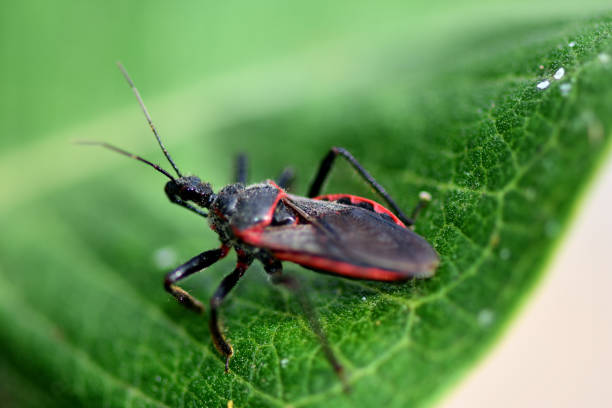
Kissing bugs may not be as well-known as other household pests, but they deserve your attention. These nocturnal insects feed on the blood of humans and animals, typically while their hosts are sleeping. They spend the day hidden in dark, sheltered areas and become active after sunset in search of a blood meal.
While kissing bugs are more commonly found outdoors, they can enter homes through small gaps around doors, windows, roofs, and foundations. They are often attracted to properties that provide shelter, wildlife activity, or easy access to food sources. Because they are active at night and excellent at hiding, many homeowners don’t realize they’re present until one is discovered indoors.
In this guide, you’ll learn how to identify kissing bug activity, understand what attracts them, explore effective control methods, and discover practical ways to help keep them away.
Quick Navigation
🪲 Common Kissing Bug Habits
Learn where they hide and why they enter homes.
🔍 Signs of Kissing Bug Activity
Recognize early warning signs before activity increases.
🛠 How to Reduce Kissing Bug Activity
Steps to help minimize their presence around your property.
By submitting this form, you are consenting to receive marketing emails from: Stride Pest Control. You can revoke your consent to receive emails at any time by using the SafeUnsubscribe® link, found at the bottom of every email. Emails are serviced by Constant Contact
🛡 Prevention Tips
Protect your home from future encounters.
Why Kissing Bug Control Matters
Kissing bugs are more than just an unwanted visitor. They can become a recurring nuisance when conditions around your home provide shelter, food sources, and easy access indoors.
Left unmanaged, they can:
✔️ Enter homes through small cracks and openings
✔️ Hide in attics, garages, sheds, pet areas, and storage spaces
✔️ Become active at night while people are sleeping
✔️ Feed on humans, pets, and wildlife
✔️ Continue returning if favorable conditions remain
Identifying and addressing risk factors early can help reduce the likelihood of unwanted encounters.
Common Kissing Bug Habits
Kissing bugs are nocturnal insects that spend most of the day hidden in protected locations.
✔️ Hide beneath wood piles, brush, rocks, and outdoor debris
✔️ Shelter in sheds, garages, attics, crawl spaces, and pet sleeping areas
✔️ Feed on the blood of mammals, birds, and other animals
✔️ Become active after dark in search of a blood meal
✔️ Often stay close to wildlife nesting areas or places where animals frequently rest
Because they remain hidden during daylight hours, their presence often goes unnoticed until one is found indoors.
Signs You May Have Kissing Bug Activity
Watch for these common warning signs:
✔️ Finding kissing bugs inside your home, especially near bedrooms or sleeping areas
✔️ Seeing kissing bugs around porch lights or exterior lighting at night
✔️ Increased rodent, bird, or wildlife activity around your property
✔️ Discovering bugs hiding beneath wood piles, rocks, pet bedding, or outdoor clutter
✔️ Finding insects near cracks, doors, windows, or foundation gaps
✔️ Repeated sightings around garages, sheds, or outdoor structures
The earlier activity is identified, the easier it is to reduce the conditions that attract them.
What to Do If You Notice Activity
🟩 Inspect Common Hiding Places
Check wood piles, brush, pet shelters, sheds, garages, attics, crawl spaces, and storage areas where kissing bugs may hide during the day.
🟩 Reduce Wildlife Activity
Discourage rodents, birds, and other wildlife from nesting near your home, as they can serve as food sources for kissing bugs.
🟩 Remove Outdoor Harborage
Clear away unnecessary clutter, brush piles, leaf litter, stacked wood, and debris that provide shelter.
🟩 Seal Entry Points
Repair damaged screens and seal gaps around doors, windows, roofs, vents, utility lines, and your home’s foundation.
🟩 Schedule Professional Treatment
A pest management professional can identify potential hiding areas, inspect your property, and provide targeted treatments to help reduce kissing bug activity.
Prevention Tips for a Kissing Bug-Free Home
🟩 Seal cracks and gaps around doors, windows, foundations, and utility openings
🟩 Repair damaged window screens and install door sweeps
🟩 Remove brush piles, stacked wood, and outdoor debris
🟩 Keep landscaping trimmed away from your home’s exterior
🟩 Reduce rodent and wildlife activity around your property
🟩 Inspect pet sleeping areas and outdoor shelters regularly
🟩 Schedule routine pest inspections to identify potential risk areas early
Consistent maintenance and prevention can help make your property less attractive to kissing bugs.
Why Professional Kissing Bug Control Helps
Kissing bugs are excellent at hiding and are often difficult to locate without a thorough inspection. Professional pest management can help by:
✔️ Identifying areas where kissing bugs are likely hiding
✔️ Locating conditions that attract wildlife and insect activity
✔️ Treating common harborage and entry points
✔️ Reducing the likelihood of recurring activity
✔️ Providing ongoing inspections and preventative protection
Professional treatment focuses on both the insects and the conditions that allow them to thrive.
Protect Your Home & Peace of Mind
Kissing bugs may be active after dark, but with regular inspections, preventative maintenance, and professional pest control, you can help reduce the risk of unwanted encounters and keep your home more comfortable year-round.