
Where to Begin
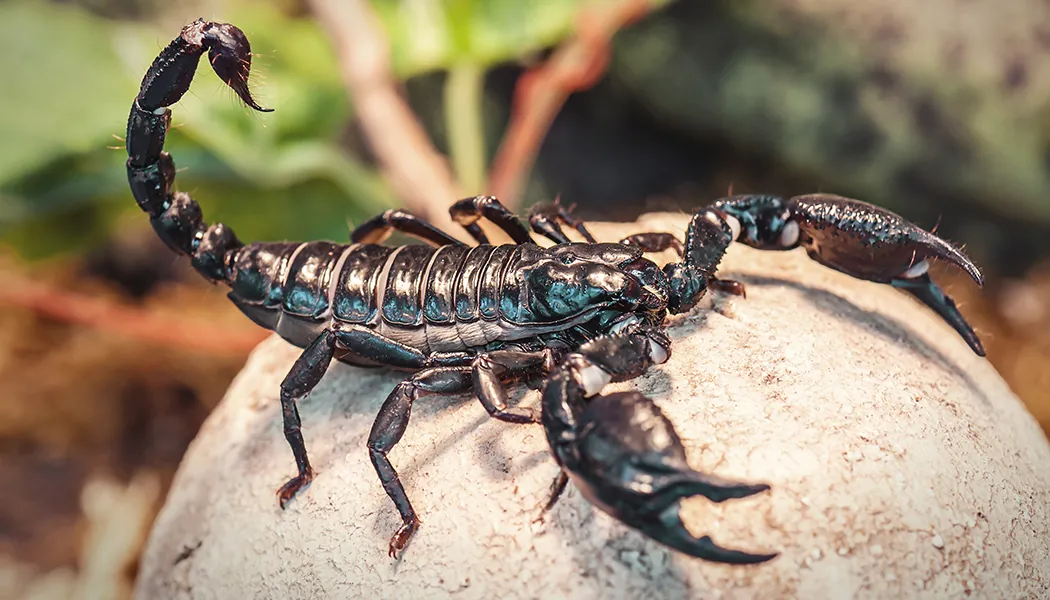
Creepy, crawly, and sometimes venomous—scorpions are not the kind of houseguest anyone wants. These nocturnal hunters love to hide in dark, quiet places and can sneak indoors through even the tiniest cracks. In this guide, we’ll dive into the world of scorpions: how they behave, the dangers they pose, and how to keep your home safe from these unwanted stingers.
Quick Navigation
🦂 What Are Scorpions? Learn about their habits, hiding spots, and why they come indoors.
🔒 Prevention Tips? Use our Prevention Checklist to keep your home scorpion-free.
By submitting this form, you are consenting to receive marketing emails from: Stride Pest Control. You can revoke your consent to receive emails at any time by using the SafeUnsubscribe® link, found at the bottom of every email. Emails are serviced by Constant Contact
🚨 Need Professional Help? When to call the pros and book your FREE inspection.
Why Scorpions Are a Serious Problem
Scorpions are more than just a scary sight—they can deliver painful stings, and some species carry venom that can cause serious reactions, especially in children and pets. Arizona bark scorpions, for example, are among the most dangerous in the U.S. and are commonly found in the Southwest.
Health Risks & Dangers of Scorpions
✔️ Painful Stings – Scorpion stings can cause swelling, numbness, and intense pain.
✔️ Allergic Reactions – Some people may experience severe allergic reactions, requiring medical attention.
✔️ Threat to Pets – Dogs and cats are also at risk, especially if they try to bite or play with scorpions.
✔️ Indoor Infestation – If you see one, there may be more hiding in attics, walls, or crawl spaces.
Common Hiding Spots of Scorpions
Scorpions are masters of hiding and are most active at night. They seek out cool, damp places during the day and come out to hunt at night.
✔️ Under rocks, woodpiles, and landscaping materials
✔️ Inside shoes, towels, or clothing left on the floor
✔️ Cracks in walls and foundations
✔️ Attics, basements, and crawl spaces
✔️ Behind baseboards and inside cabinets
✔️ Around plumbing and under sinks
How to Spot and Prevent a Scorpion Infestation
Stay alert for these signs, especially in warm climates and during summer months:
✔️ Sightings of scorpions, especially at night with a UV flashlight
✔️ Shed exoskeletons near baseboards or windowsills
✔️ Stings on family members or pets
✔️ Droppings or other pests—scorpions feed on insects like roaches and crickets
Scorpion Prevention Checklist for Homeowners
🟩 Seal all cracks and gaps in walls, windows, and foundations
🟩 Install door sweeps and window screens
🟩 Clear debris and woodpiles away from the home’s foundation
🟩 Eliminate excess moisture and fix leaky pipes
🟩 Shake out shoes, towels, and clothing before use
🟩 Keep outdoor lighting to a minimum (it attracts insects that scorpions feed on)
Why Professional Scorpion Control Is the Best Option
Scorpions are elusive and can be difficult to treat without professional help. DIY sprays often don’t reach where they’re hiding. Stride Pest Control offers:
✔️ Detailed Home Inspections – Identifying entry points and hiding places
✔️ Safe, Targeted Treatments – Effective products that eliminate scorpions and their food sources
✔️ Long-Term Prevention – We help you fortify your home to keep pests out
✔️ Friendly, Reliable Service – Scorpion-free peace of mind starts here
Don’t Let Scorpions Take Over Your Home
One sting is one too many. If you suspect scorpion activity in or around your home, don’t wait—protect your loved ones with expert pest control.
Schedule Your FREE Scorpion Inspection Today!
Say goodbye to stings—say hello to safety.