
PEST TALK: EXCLUSION PROCESS
Where to Begin
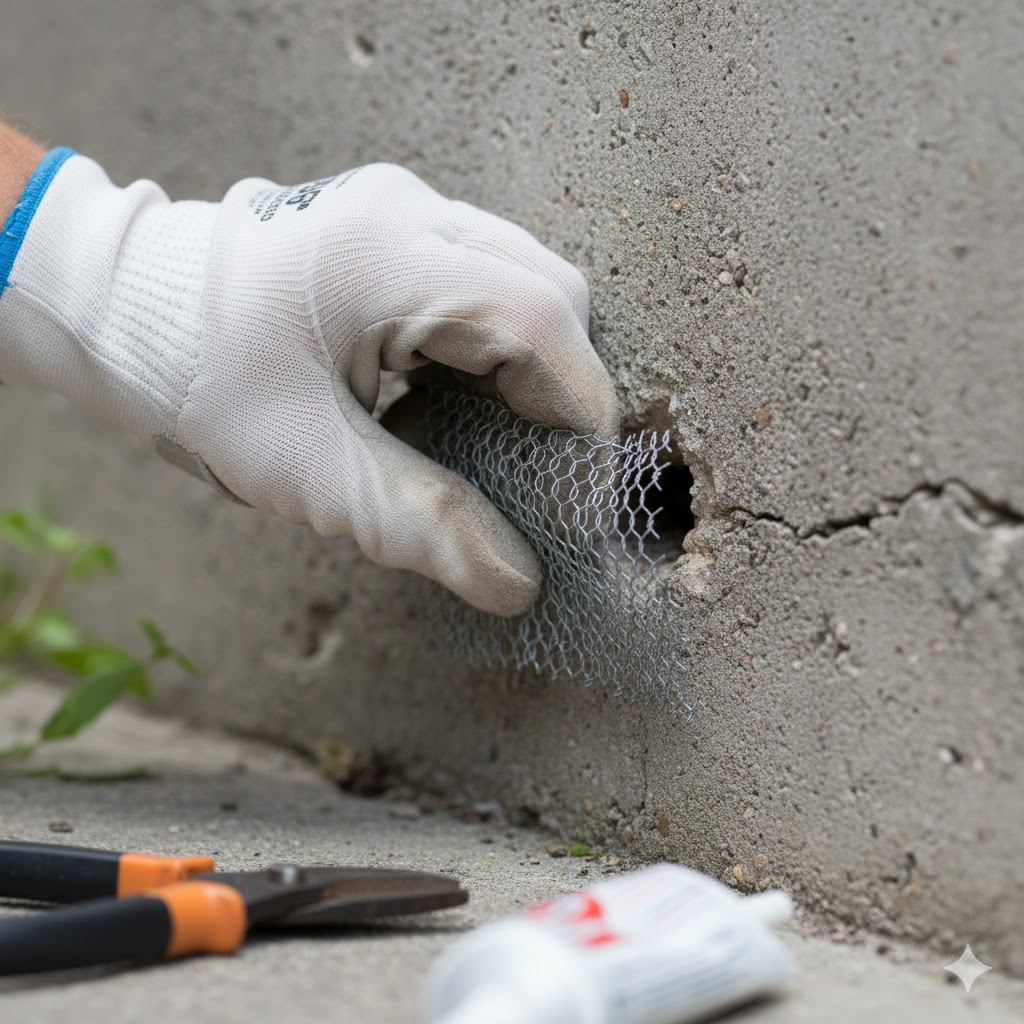
Keeping pests out of your home starts with understanding the exclusion process. Exclusion is all about blocking the entry points pests use to get inside your home — from tiny cracks in doors and windows to gaps around pipes and vents. By keeping pests out, you prevent infestations before they start, saving time, stress, and money. In this guide, we’ll break down why exclusion is so important, how it works, and what steps you can take to protect your home.
Quick Navigation
🔒 What Is Exclusion? Learn how pests enter homes and the basics of exclusion.
🟩 Prevention Tips Use our FREE Exclusion Checklist to seal your home against pests.
By submitting this form, you are consenting to receive marketing emails from: Stride Pest Control. You can revoke your consent to receive emails at any time by using the SafeUnsubscribe® link, found at the bottom of every email. Emails are serviced by Constant Contact
🚨 Need Professional Help? When to call in experts for thorough exclusion services.
Why Exclusion Is Important
Pests like rodents, ants, and cockroaches can sneak in through the smallest openings. Once inside, they can multiply, damage property, and create health risks. Exclusion prevents these problems before they start, making it a proactive and cost-effective solution for every homeowner.
Benefits of Exclusion:
✔️ Reduces pest sightings and infestations
✔️ Protects your family and pets from disease
✔️ Minimizes damage to your home and belongings
✔️ Reduces the need for ongoing chemical treatments
Common Entry Points for Pests
Pests look for easy access points in your home. Some typical entry spots include:
✔️ Cracks and gaps around doors and windows
✔️ Vents, pipes, and utility lines
✔️ Roof openings, attic spaces, and eaves
✔️ Basements, crawl spaces, and foundations
✔️ Garages, sheds, and storage areas
Signs Your Home Needs Exclusion
Keep an eye out for these warning signs:
✔️ Pests seen inside the home (ants, mice, spiders, etc.)
✔️ Droppings, gnaw marks, or damaged materials
✔️ Gaps, cracks, or holes in walls, doors, and windows
✔️ Increased sightings of pests near food or water sources
Exclusion Checklist for Homeowners
🟩 Seal cracks, gaps, and holes around doors, windows, and vents
🟩 Install door sweeps and weather stripping
🟩 Keep storage areas organized and clutter-free
🟩 Repair damaged screens, vents, and foundation cracks
🟩 Trim bushes and trees away from your home’s exterior
🟩 Store firewood and debris away from walls
Why Professional Exclusion Is the Best Option
DIY exclusion can help, but professional pest control ensures long-term protection. Experts can:
✔️ Perform detailed home inspections to identify all potential entry points
✔️ Apply safe, targeted solutions to seal gaps and prevent pests
✔️ Integrate exclusion with other pest management strategies
✔️ Provide ongoing monitoring to keep pests from returning
Don’t Let Pests Sneak In
A single small gap can be all it takes for pests to invade your home. Protect your family and your home by taking proactive exclusion measures today.