
Mosquitoes
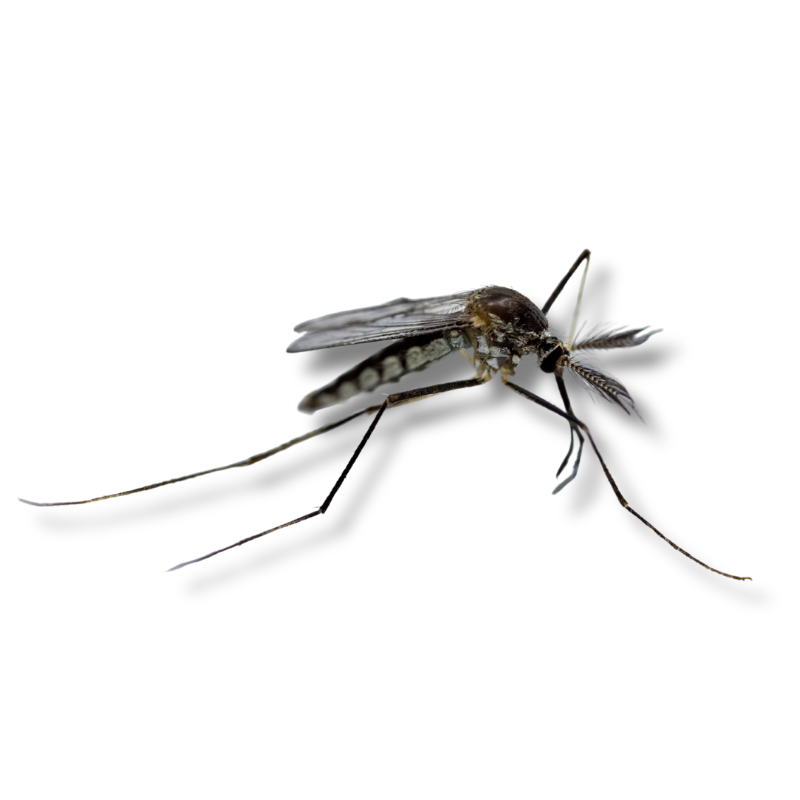
Protect your home or business from mosquitoes in Central Texas by learning about their habits, species identification and more.

Schedule An Inspection!
Click To Contact

Mosquitoes in Central Texas
Mosquitoes rank among the most dangerous animals on earth, not just the most annoying. In central Texas, the warm climate, humid summers, and abundance of standing water after rain events create ideal conditions for mosquito populations to thrive well beyond the warm season. Understanding how they behave, breed, and spread disease is the first step toward reducing their presence around your home and yard.
Order: Diptera – Family: Culicidae
Physical Description
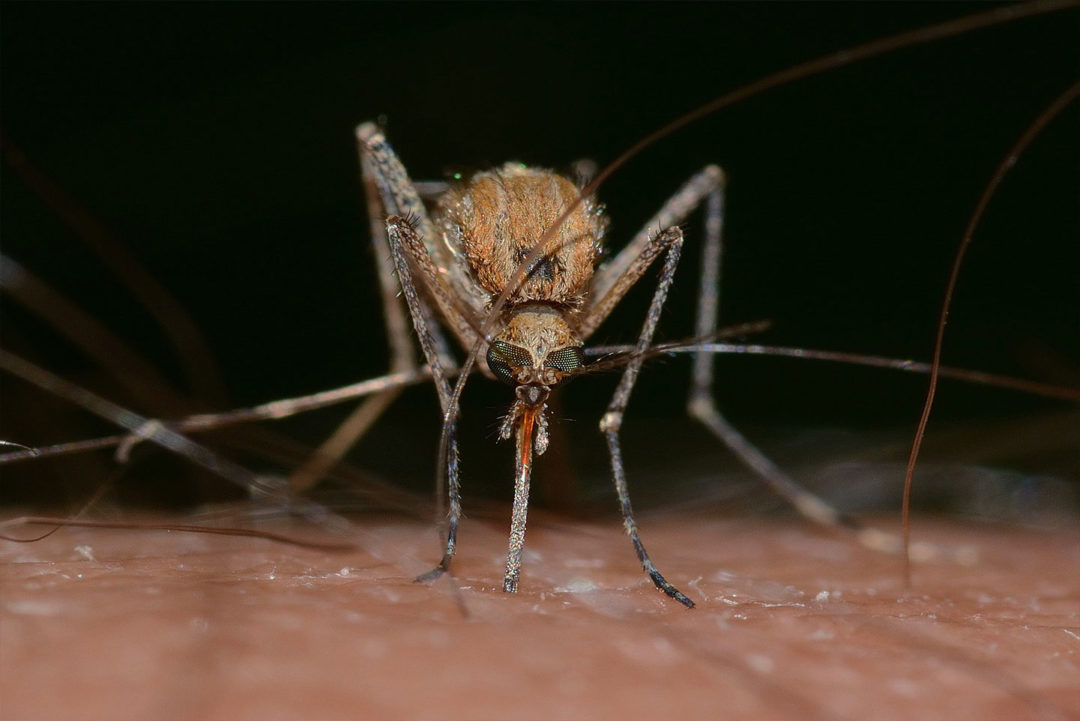
Mosquitoes are true flies in the order Diptera. They are small insects, typically under 1 cm (0.39 inches) in length, with the following identifying features:
- Three pairs of long, thin legs
- One pair of wings covered in fine scales
- A long, thin mouthpart called a proboscis used for feeding
- A pair of antennae – bushy in males, simpler in females
- An entire body surface covered in scales
The abdomen is specialized for both food digestion and egg development. It is elastic enough to hold approximately three times the mosquito’s own body weight in blood after a feeding.
More than 3,500 species of mosquitoes exist worldwide, with over 200 recorded in the United States. Texas alone is home to roughly 85 species, making it one of the most mosquito-diverse states in the country.
Mosquito Species Common to Central Texas
Not all mosquitoes in central Texas behave the same way or pose the same risks. The following species are among the most frequently encountered in the Austin and San Antonio areas:
| Species | Common Name | Activity Pattern | Notable Risk |
|---|---|---|---|
| Aedes aegypti | Yellow fever mosquito | Daytime biter | Zika, dengue, chikungunya, yellow fever |
| Aedes albopictus | Asian tiger mosquito | Daytime biter | Zika, dengue, West Nile |
| Culex quinquefasciatus | Southern house mosquito | Dusk and night | West Nile virus, St. Louis encephalitis |
| Culex tarsalis | Western encephalitis mosquito | Dusk and night | West Nile virus, western equine encephalitis |
| Anopheles quadrimaculatus | Common malaria mosquito | Dusk and night | Historically associated with malaria |
The Texas Department of State Health Services monitors mosquito-borne disease activity statewide. Current West Nile virus surveillance data for Texas counties is updated regularly and reflects the activity levels most relevant to central Texas residents.
Habits and Behavior
When and Where Mosquitoes Are Active
Most mosquito species in central Texas are most active at dusk and dawn, though daytime-biting species like Aedes aegypti and Aedes albopictus are also well established in the region. Central Texas summers, with temperatures regularly exceeding 100 degrees Fahrenheit, can temporarily reduce activity during peak afternoon heat, but mosquito pressure rebounds each evening.
During daylight hours, mosquitoes seek out cool, shaded resting areas. Common indoor resting spots include dark corners, upper wall areas, and spaces under furniture. Outdoors, they shelter in dense vegetation, shrubs, tree holes, sheds, and drainage structures – all of which are common in the older neighborhoods and limestone hill country terrain around Austin and San Antonio.
What Attracts Mosquitoes to People
Mosquitoes locate hosts using a combination of chemical and thermal cues. People who are more likely to attract bites include:
- Those exhaling higher amounts of carbon dioxide, including pregnant women and heavy breathers
- Individuals with Type O blood
- People with higher body temperatures or who are physically active
- Those with greater concentrations of certain skin bacteria
- People who have recently consumed beer, bananas, avocados, salty foods, or sugary foods
Resting and Breeding Preferences in Central Texas
Central Texas geography creates specific mosquito pressure points. The Colorado River corridor through Austin, the San Antonio River basin, and the numerous retention ponds and drainage channels throughout both metro areas all support large populations. After rain events, even minor low spots in yards, driveways, and landscaping can become productive breeding sites within days.
Common breeding sources around central Texas homes include:
- Clogged rain gutters holding debris and standing water
- Ornamental ponds and birdbaths
- Children’s wading pools left standing between uses
- Old tires and buckets stored outdoors
- Flower pot saucers and plant trays
- Tarps and outdoor covers that collect water in folds
- Storm drains and low-lying areas that drain slowly after rain
- Tree holes and cavities, particularly in mature live oaks common throughout the region
Diet and Feeding
What a mosquito eats depends on its sex and life stage. The distinctions matter for understanding why biting occurs at all:
- Female mosquitoes require blood meals to obtain the protein and iron needed for egg production. Without a blood meal, a female cannot produce viable eggs. They will feed on humans, mammals, birds, reptiles, amphibians, and fish.
- Male mosquitoes do not bite. They feed exclusively on nectar, plant sap, and other sugar sources. Males also serve as pollinators.
- Both sexes use nectar and plant-derived sugars as their primary energy source for flight and day-to-day survival.
- Larvae feed on algae, bacteria, and microorganisms suspended in standing water.
- Pupae do not feed at all during their developmental stage.
Life Cycle
Mosquitoes pass through four distinct life stages. The first three stages occur in or near water, which is why eliminating standing water is the most effective form of prevention.
| Life Stage | Environment | Duration | Notes |
|---|---|---|---|
| Egg | On or near water surface | 1 to 3 days | Laid in clusters of 30 to 150; some species lay individually |
| Larva | Aquatic | 4 to 14 days | Feeds on algae and microorganisms; requires surface access for air |
| Pupa | Aquatic | 1 to 4 days | Does not feed; transitions to adult form |
| Adult | Terrestrial | Males: 5 to 7 days – Females: 42 to 56 days | Females can produce eggs every 2 to 3 days under favorable conditions |
In central Texas, the mild winters mean mosquito populations can remain active year-round in warmer years, with activity typically peaking between April and October. Some species can enter a state of suspended development called diapause during cold or dry periods, resuming activity once conditions improve – a pattern relevant to the variable Hill Country winters around Austin and San Antonio.
The mosquito biology and control resources from Texas A&M AgriLife Extension entomology provide additional detail on species identification and life cycle management specific to Texas conditions.
Health Risks and Diseases
Mosquitoes are responsible for more human deaths throughout history than any other animal, including other humans. The diseases they transmit span every populated continent and remain active public health concerns in Texas today.
Diseases Transmitted by Mosquitoes in Central Texas
- West Nile virus – The most commonly reported mosquito-borne illness in Texas; transmitted by Culex species; can cause fever, encephalitis, and in severe cases, death
- Zika virus – Spread primarily by Aedes aegypti; linked to severe birth defects including microcephaly; historically documented in Texas
- Dengue fever – Transmitted by Aedes species; causes severe joint and muscle pain, high fever, and in some cases hemorrhagic complications
- Chikungunya – Also transmitted by Aedes species; produces prolonged joint pain that can persist for months
- St. Louis encephalitis – Neuroinvasive disease spread by Culex mosquitoes; historically present in Texas
- Eastern equine encephalitis (EEE) – Rare but severe neurological disease with high fatality rates
- Malaria – While largely eliminated from the United States, locally acquired cases have been documented in Texas in recent years
Symptoms of mosquito-borne illness vary by disease but commonly include fever, severe headache, rash, joint pain, vomiting, and neurological symptoms. Children under 5, adults over 65, and immunocompromised individuals face the highest risk of serious outcomes. The CDC mosquito disease and prevention guidance outlines the full range of illnesses associated with mosquito exposure in the United States.
Prevention and Reducing Mosquito Breeding Around Your Property
The most effective mosquito management combines eliminating breeding sources with reducing adult populations. In central Texas, where properties often include large outdoor living areas, pools, gardens, and mature trees, a systematic approach is necessary.
Breeding Source Elimination
- Empty and scrub birdbaths, pet water dishes, and ornamental containers at least once a week
- Clear rain gutters of debris and standing water after every rain event
- Store outdoor containers upside down or in a location where they cannot collect water
- Change water in wading pools every few days or store them dry
- Treat ornamental ponds and water features with Bti (Bacillus thuringiensis israelensis) mosquito dunks, a bacteria-based larvicide that does not harm fish or wildlife
- Fill low areas in the yard that pool after rain
- Inspect irrigation systems for leaks that create persistent wet zones
Personal Protection
- Apply EPA-registered repellents containing DEET, picaridin, or oil of lemon eucalyptus when spending time outdoors
- Wear long sleeves and pants during peak activity periods at dusk and dawn
- Ensure window and door screens are intact and properly fitted – especially important in older Austin bungalows and San Antonio homes where screen condition varies
- Limit outdoor activities during peak mosquito hours when populations are high after rainfall
The EPA’s repellent finder tool allows residents to identify which products are registered and appropriate for their specific situation, including use around children and during pregnancy.
Mosquito Facts at a Glance
| Fact | Detail |
|---|---|
| Known species worldwide | More than 3,500 |
| Species in Texas | Approximately 85 |
| Female lifespan | 42 to 56 days under favorable conditions |
| Male lifespan | 5 to 7 days |
| Egg production frequency | Every 2 to 3 days per female |
| Eggs per batch | 30 to 150 depending on species |
| Minimum water needed to breed | Less than one teaspoon |
| Peak season in central Texas | April through October; year-round in mild winters |
For broader context on mosquito-borne disease burden globally and in North America, the World Health Organization’s fact sheet on vector-borne diseases provides authoritative background on transmission, impact, and control strategies.
If mosquito pressure around your central Texas property has become difficult to manage through prevention alone, a licensed pest control professional can assess breeding sources and recommend targeted treatment options appropriate for your yard and the surrounding environment.
Our Certifications & Awards
Stride Pest Control holds QualityPro and GreenPro certifications through the NPMA's Foundation for Professional Pest Management. QualityPro represents the pest management industry's highest accreditation - often called the "Good Housekeeping Seal of Approval" for pest control - requiring background checks on all employees, drug-free workplace policies, and adherence to 16 standards that exceed state and federal requirements.
The San Antonio office operates under TPCL #827449 with Certified Applicators Alexander Randall and Raul Ramos on staff. Both hold Pest and Termite categories through the Texas Department of Agriculture. We are active members of the Texas Pest Control Association and the National Pest Management Association, with team attendance at Pest World in 2023, 2024, and 2025.
Stride maintains a BBB A+ rating for the San Antonio location with zero complaints on file.











Customer Testimonials


Danielle N.
Google Reviewer
Stacey L.
Google Local Guide
John N.
Google Local Guide
Stride Pest Control received an average rating of 4.9 out of 5 stars

based on 2,400+ reviews.
Ready For FastSafeReliable Pest Control?
You do not have to live with pests. Stride Pest Control offers same-day service across Central Texas with a satisfaction guarantee on every treatment.
QualityPro Certified | Satisfaction Guaranteed
Austin Pest Control
15305 Ginger St
Austin, TX 78728
(512) 777-1339
Stride Pest Control
1311 Chisholm Trail Rd Suite 404B
Round Rock, TX 78681
(512) 254-8185
Stride Pest Control
3501 Pin Oak Dr #110
San Antonio, TX 78229
(210) 547-8410