
earwigs
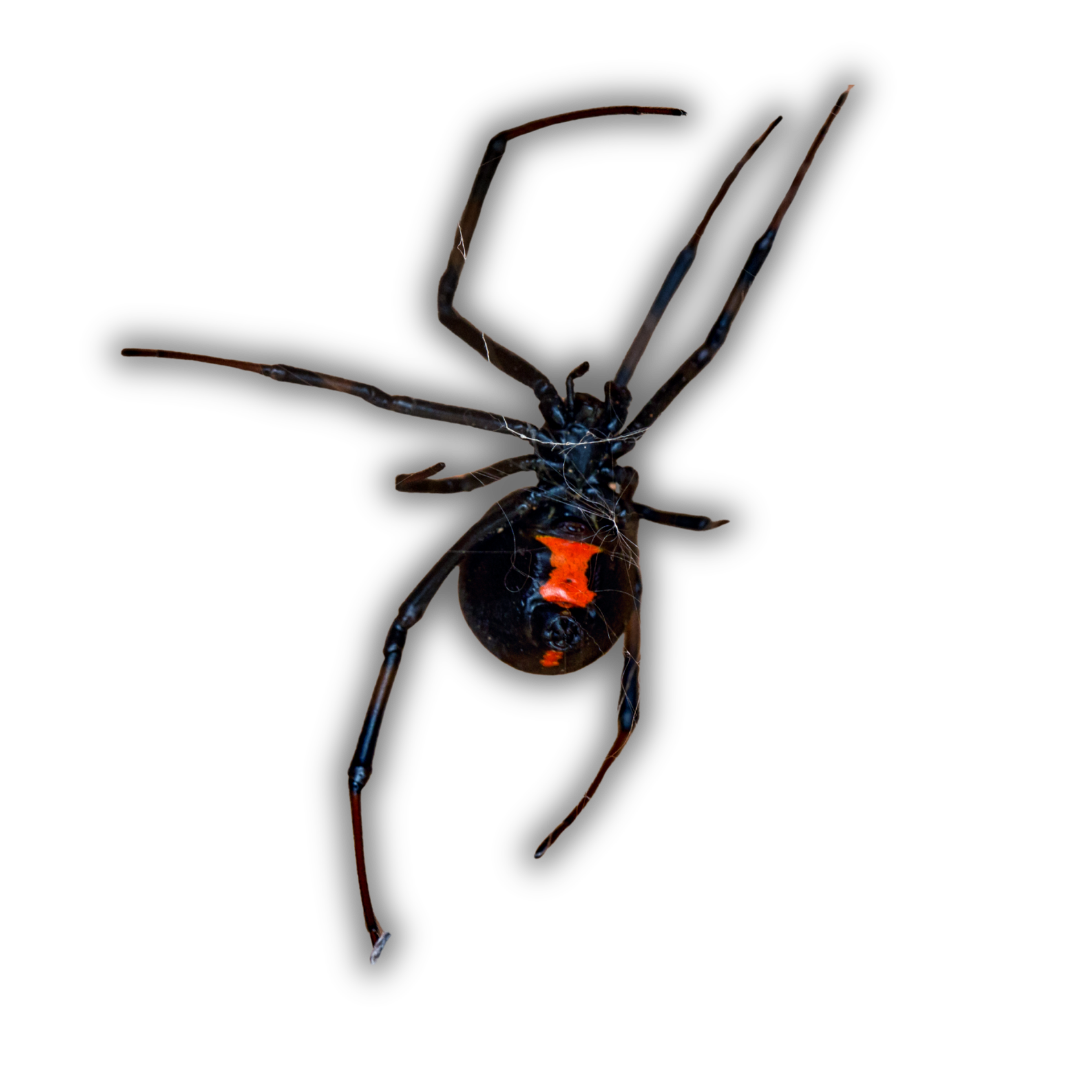
Protect your home or business from spiders in Central Texas by learning about their habits, species identification and more.

Schedule An Inspection!
Click To Contact

Earwig Identification Guide for Central Texas Homeowners
Earwigs are a common nuisance pest across central Texas, including the Austin and San Antonio metro areas. Their intimidating pincers and the myths surrounding their behavior make them a frequent source of concern, but understanding what earwigs actually are – and what they are not – helps homeowners respond to them appropriately.
What Is an Earwig?
Earwigs belong to the insect order Dermaptera, a name derived from the Greek words for “skin wing,” referring to the leathery texture of their forewings. The common name “earwig” comes from the shape of their hind wings, which resemble a human ear when unfolded. Despite the persistent folk belief that earwigs burrow into ears to lay eggs, this is a myth with no factual basis. Earwigs do not seek out humans and pose no medical threat. The Centers for Disease Control and Prevention guidance on insect exposures does not list earwigs among insects of medical concern.
The species most commonly encountered in central Texas is Forficula auricularia, the European earwig, though other native Dermaptera species are also present in the region.
Identification: What Earwigs Look Like
Earwigs are distinctive in appearance and rarely confused with other insects once the key features are recognized. The following table summarizes their physical characteristics as they appear in the central Texas region.
| Feature | Description |
|---|---|
| Color | Dark brown to black, sometimes with lighter leg coloration |
| Body Length | 1/4 to 1/2 inch in most common species |
| Pincers (cerci) | Forcep-like appendages at the rear of the abdomen; curved in males, straighter in females |
| Wings | Two pairs present but rarely used; earwigs are poor fliers |
| Legs | Six legs; three pairs |
| Antennae | Long, segmented, and thread-like |
The pincers are used for defense and for grasping prey. They can pinch skin if an earwig is handled, but they do not inject venom and are not capable of causing meaningful injury.
Quick Reference: Earwig Facts
| Category | Data |
|---|---|
| Global species count | Approximately 2,000 |
| Species found in the U.S. | 22 |
| Legs | 6 (3 pairs) |
| Survival without food | Up to 3 months |
| Eggs per clutch | 20 to 80 |
| Activity pattern | Nocturnal |
Earwig Behavior and Habitat in Central Texas
Central Texas conditions – hot summers, mild winters, and periodic drought punctuated by heavy rain – create environments where earwig populations can establish readily, particularly around residential landscaping and in the soil near foundations. The region’s limestone-heavy soils and common use of cedar mulch in landscaping both support earwig harborage.
Where Earwigs Are Found Outdoors
Earwigs are nocturnal and spend daylight hours in dark, moist hiding spots. Common harborage sites in central Texas yards include:
- Landscaping mulch and decomposing leaf litter along foundation beds
- Under potted plants and welcome mats on porches and patios
- Beneath rocks, logs, and stored firewood
- In cracks between flagstone, pavers, and brick surfaces
- Under low-growing ground cover plants and dense shrubbery
Diet
Earwigs are omnivores. Outdoors, they feed on decaying organic material, living plant tissue, and small soft-bodied insects. In home gardens and landscaped areas, they are known to damage:
- Flower blossoms, particularly marigolds, dahlias, and butterfly bush
- Corn silk and garden seedlings
- Vegetable transplants in raised garden beds
They also consume aphids and other small pest insects, which gives them a minor beneficial role in garden ecosystems. For more on their garden impact, the University of California Agriculture and Natural Resources earwig pest note provides detailed feeding behavior documentation.
Life Cycle and Reproduction
Earwigs undergo gradual (incomplete) metamorphosis, progressing through several nymphal stages called instars before reaching adulthood. This lifecycle is worth understanding because it affects when populations peak and when prevention measures are most effective.
- Mating: Occurs in fall and early winter, which in central Texas typically means October through December.
- Egg laying: Females deposit 20 to 80 eggs in shallow burrows or protected soil crevices near moisture sources.
- Maternal care: Unlike most insects, female earwigs actively tend their eggs – cleaning them to prevent fungal growth and guarding nymphs after hatching until they can survive independently.
- Nymphal development: Young earwigs pass through four to five instars over several weeks before reaching adult size.
- Adult lifespan: Adults can live for several months when food is available. They are capable of surviving up to three months without feeding.
When and Why Earwigs Enter Central Texas Homes
Earwigs do not seek out the interior of homes as a primary habitat, but they migrate indoors under specific conditions common to the Austin and San Antonio areas. The most frequent trigger is the extreme heat of July and August, when soil temperatures rise and outdoor moisture evaporates rapidly. Earwigs follow moisture gradients and can squeeze through very small gaps in foundations, door sweeps, and window frames.
Common Indoor Harborage Locations
- Bathrooms and under bathroom sink cabinets
- Kitchen areas near plumbing or dripping fixtures
- Laundry rooms and garage spaces with utility sinks
- Stacked cardboard boxes and bundles of newspaper
- Cracks and voids along baseboards near exterior walls
Earwigs do not reproduce indoors in any significant numbers and do not cause structural damage. However, a large indoor population can become a genuine nuisance, and earwigs can release a foul-smelling defensive liquid from abdominal glands when disturbed or crushed.
Prevention Strategies for Central Texas Homeowners
Effective earwig prevention focuses on two goals: reducing outdoor harborage near the structure and cutting off the moisture gradients that draw them toward the foundation. Both are particularly relevant in central Texas, where foundation beds are often heavily mulched and irrigation systems can create chronic moisture near entry points.
Landscape and Exterior Measures
- Keep mulch pulled back at least 6 inches from the foundation. Cedar and hardwood mulch both retain moisture readily in Austin and San Antonio’s clay and caliche soils.
- Remove leaf litter, rock piles, and ground-level wood debris from the perimeter of the structure.
- Trim low-growing shrubs and ground cover away from foundation walls to improve airflow and reduce shade moisture.
- Adjust irrigation schedules to avoid overwatering foundation beds, especially during the cooler nighttime hours when earwigs are active.
Exclusion and Moisture Control
- Seal cracks in the foundation and gaps around utility penetrations with appropriate caulk or expanding foam.
- Replace damaged or missing door sweeps on garage doors and exterior entry doors.
- Repair leaky outdoor faucets, dripping irrigation heads, and clogged gutters. The EPA WaterSense guidance on fixing household leaks outlines common outdoor moisture sources that also create pest harborage conditions.
- Ensure window screens fit properly and have no tears along the lower edges.
Lighting Adjustments
Earwigs are attracted to light, which draws them toward illuminated entry points at night. Switching exterior porch and patio lights to yellow-spectrum bulbs reduces this attraction. Motion-activated lighting is another option, since it limits the duration of light exposure near doors and windows.
Signs of an Earwig Problem
Most earwig encounters in central Texas homes involve isolated individuals rather than established indoor populations. The following signs suggest a more significant issue that warrants closer attention:
- Multiple earwigs appearing indoors on consecutive nights, particularly in bathrooms or near utility areas
- Visible earwig activity in foundation planting beds during early morning hours before they retreat to shelter
- Unexplained ragged damage to flower petals or seedling leaves in garden beds, with no caterpillars or slugs present
- A musty or foul odor in areas where earwigs have been crushed or disturbed in large numbers
The Texas A&M AgriLife Extension earwig fact sheet provides additional guidance on distinguishing earwig damage from damage caused by other garden pests in the region.
Earwigs Compared to Similar Pests
| Feature | Earwig | Silverfish | Cockroach Nymph |
|---|---|---|---|
| Pincers at rear | Yes | No | No |
| Wings present | Yes (rarely used) | No | Developing |
| Prefers moisture | Yes | Yes | Yes |
| Nocturnal | Yes | Yes | Yes |
| Reproduces indoors | Rarely | Yes | Yes |
| Structural damage risk | None | Minor (paper, fabric) | None directly |
For a broader overview of common household pest identification in Texas, the Purdue University Extension earwig identification resource offers comparative information useful for distinguishing Dermaptera from visually similar species.
If earwigs have become a recurring problem in your home, a licensed pest professional can assess entry points, outdoor harborage conditions, and moisture sources to address the root cause rather than just the visible insects.
Our Certifications & Awards
Stride Pest Control holds QualityPro and GreenPro certifications through the NPMA's Foundation for Professional Pest Management. QualityPro represents the pest management industry's highest accreditation - often called the "Good Housekeeping Seal of Approval" for pest control - requiring background checks on all employees, drug-free workplace policies, and adherence to 16 standards that exceed state and federal requirements.
The San Antonio office operates under TPCL #827449 with Certified Applicators Alexander Randall and Raul Ramos on staff. Both hold Pest and Termite categories through the Texas Department of Agriculture. We are active members of the Texas Pest Control Association and the National Pest Management Association, with team attendance at Pest World in 2023, 2024, and 2025.
Stride maintains a BBB A+ rating for the San Antonio location with zero complaints on file.












Customer Testimonials


Danielle N.
Google Reviewer
Stacey L.
Google Local Guide
John N.
Google Local Guide
Stride Pest Control received an average rating of 4.9 out of 5 stars

based on 2,400+ reviews.
Ready For FastSafeReliable Pest Control?
You do not have to live with pests. Stride Pest Control offers same-day service across Central Texas with a satisfaction guarantee on every treatment.
QualityPro Certified | Satisfaction Guaranteed
Austin Pest Control
15305 Ginger St
Austin, TX 78728
(512) 777-1339
Stride Pest Control
1311 Chisholm Trail Rd Suite 404B
Round Rock, TX 78681
(512) 254-8185
Stride Pest Control
3501 Pin Oak Dr #110
San Antonio, TX 78229
(210) 547-8410