
crickets
Protect your home or business from spiders in Central Texas by learning about their habits, species identification and more.

Schedule An Inspection!
Click To Contact

Crickets in Central Texas: Identification, Behavior, and Prevention
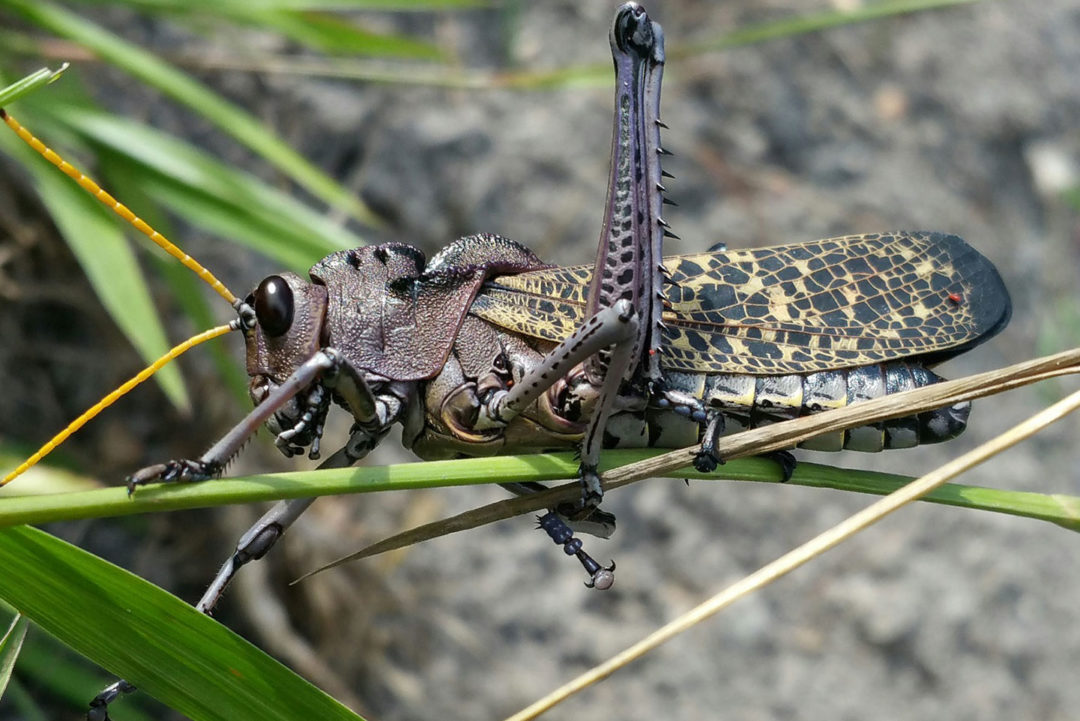
Crickets are one of the most familiar pest insects in central Texas, and they become a serious nuisance in late summer and early fall when populations peak. In Austin and San Antonio, it is not unusual for crickets to gather in enormous numbers beneath streetlights, around commercial entrances, and along building foundations – sometimes in quantities large enough that crushed insects create slippery walkways. Understanding what draws them in and how to limit their presence starts with knowing the species you are dealing with.
Cricket Species Common in Central Texas
The field cricket (Gryllus spp., family Gryllidae) is the most frequently encountered species in this region. A second species worth knowing is the camel cricket (family Rhaphidophoridae), which is wingless and commonly found in garages, crawl spaces, and storage rooms – especially during dry summer conditions when it seeks moisture indoors. Central Texas limestone terrain and the region’s alternating wet and drought cycles create favorable conditions for large cricket populations each year.
| Feature | Field Cricket | Camel Cricket |
|---|---|---|
| Body length | 3/5 to 1 inch | 1/2 to 1.5 inches |
| Color | Dark brown, gray, or black | Light tan to brown with darker banding |
| Wings | Present in adults | Absent |
| Antennae | Long, thread-like, extending past abdomen | Extremely long relative to body |
| Chirping | Yes – males chirp to attract females | No |
| Common indoor locations | Basements, garages, entry points | Garages, crawl spaces, storage areas |
Physical Identification
Field crickets have large, rounded heads with long slender antennae that extend up to half an inch past the tip of the abdomen. The hind legs are well developed for jumping. Females have a visible spear-shaped ovipositor used for egg-laying. Adults range in color from dark brown to gray to black, with a body length between 3/5 and 1 inch. The body is roughly cylindrical with some vertical flattening. Crickets have two large compound eyes and three simple eyes positioned on the forehead.
Habitat and Behavior
Crickets are primarily nocturnal, hiding from predators during daylight hours in dark, sheltered areas. In central Texas, they commonly inhabit:
- Dense grass, ground cover, and landscape beds
- Beneath firewood, mulch piles, and debris near foundations
- Tree canopies, shrubs, and ornamental plantings
- Rotting wood, caves, and rock outcroppings – common features of the Hill Country terrain west of Austin and San Antonio
As temperatures cool in late summer and fall – a reliable pattern on the Edwards Plateau and throughout the I-35 corridor – crickets migrate toward artificial warmth and light. Homes, storage units, garages, and commercial buildings in older neighborhoods and newer subdivisions alike are vulnerable to large-scale entry during this period. According to cricket management guidance from Texas A&M AgriLife Extension, populations in Texas can reach outbreak levels in years with dry summers followed by mild, humid conditions in the fall.
Diet
Cricket feeding habits vary by species. Most central Texas field crickets are opportunistic feeders and will consume:
- Plant material – leaves, flowers, seedlings, and grass shoots
- Fungi and decaying organic matter
- Other insects, including aphids, larvae, and insect eggs
- Fabrics, carpet fibers, and paper when indoors
- Food residue and stored dry goods in pantries or pet food containers
Indoors, crickets become destructive quickly. Wool, silk, cotton, and synthetic blends can all be damaged. Staining from feces is common on surfaces where crickets aggregate.
Health Risks Associated with Cricket Infestations
Crickets are not aggressive and rarely bite. However, a large indoor infestation does present real health concerns:
- Cricket feces can carry pathogens including Salmonella and E. coli, which can contaminate food preparation surfaces and stored food items
- Direct contact with crickets or their waste can cause localized skin irritation in sensitive individuals
- Cricket allergens have been linked to respiratory sensitivity in some people, particularly in homes with heavy infestations
The National Institute for Occupational Safety and Health guidance on insect exposure notes that fecal contamination from pest insects in enclosed spaces warrants prompt sanitation and population control.
Why Male Crickets Chirp
The chirping sound associated with crickets is produced exclusively by males. Chirping serves two primary purposes: attracting a mate and deterring rival males. The sound is created by stridulation – one wing, which has a row of ridges resembling small teeth, is scraped against the edge of the other wing. The pitch, speed, and pattern of the chirp vary by species and environmental temperature. In central Texas summers, where nighttime temperatures stay elevated well into fall, chirping activity remains intense for a longer portion of the year than in cooler northern climates.
Prevention: Keeping Crickets Out of Central Texas Homes
The most effective cricket management is exclusion combined with habitat reduction. Central Texas homes – particularly pier-and-beam structures common in older Austin neighborhoods and slab-on-grade homes in newer San Antonio developments – each present different vulnerability points worth addressing.
Exterior and Structural Exclusion
- Inspect and seal gaps around doors, windows, utility penetrations, weep holes, and garage door seals using caulk or weather stripping appropriate to the gap size
- Install door sweeps on exterior doors, particularly garage and side entry doors
- Check where plumbing and HVAC lines enter the foundation – a common entry point in central Texas slab homes
Yard and Landscape Management
- Mow regularly and keep grass trimmed low near the foundation
- Move firewood stacks, rock piles, and compost bins away from the structure
- Reduce mulch depth near the foundation and pull back ground cover that retains moisture
- Clear leaf litter and debris, especially along fence lines and under decks – common cricket harborage areas in central Texas yards
Lighting Adjustments
- Replace white or cool-toned outdoor bulbs with warm-toned LEDs or amber bulbs, which are significantly less attractive to crickets
- Reposition lights away from entry points where possible, or use motion-activated fixtures to reduce continuous illumination
Indoor Sanitation and Deterrents
- Store food in sealed containers and keep pet food covered overnight
- Reduce clutter in garages, closets, and storage rooms where crickets hide during the day
- Use sticky glue traps along baseboards and in corners where cricket activity has been observed
- Peppermint oil and natural deterrent sprays can reduce cricket activity in localized areas, though they are not a substitute for structural exclusion
The university-level overview of cricket biology and indoor behavior from the University of Minnesota Extension provides additional background on harborage habits that apply broadly to warm-climate infestations.
Natural Predators
Cats, dogs, and ground-foraging birds all prey on crickets. Attracting insect-eating birds to your yard through native plantings and appropriate feeders can supplement other prevention efforts. Central Texas supports a range of cricket predators including mockingbirds, killdeer, and various sparrow species.
Signs of a Cricket Infestation
- Persistent chirping inside the home, particularly at night
- Visible fecal spotting – small dark specks – on walls, baseboards, or stored items
- Chewed or frayed fabric, carpet edges, or paper products
- Dead crickets accumulating near windows, in garages, or along exterior walls
- Large numbers of live crickets clustering near exterior lighting or entry doors after dark
For guidance on distinguishing cricket damage from other fabric-feeding pests, UC IPM’s pest note on fabric-damaging insects offers useful comparison criteria that apply to central Texas pest species as well.
When Professional Help Makes Sense
A single cricket indoors is rarely cause for concern. An active infestation – indicated by multiple live specimens, ongoing fabric damage, or recurring entry despite exclusion efforts – warrants a closer inspection of entry points and harborage conditions. For persistent cricket problems in Austin or San Antonio, contact Stride Pest Control to schedule an assessment.
Our Certifications & Awards
Stride Pest Control holds QualityPro and GreenPro certifications through the NPMA's Foundation for Professional Pest Management. QualityPro represents the pest management industry's highest accreditation - often called the "Good Housekeeping Seal of Approval" for pest control - requiring background checks on all employees, drug-free workplace policies, and adherence to 16 standards that exceed state and federal requirements.
The San Antonio office operates under TPCL #827449 with Certified Applicators Alexander Randall and Raul Ramos on staff. Both hold Pest and Termite categories through the Texas Department of Agriculture. We are active members of the Texas Pest Control Association and the National Pest Management Association, with team attendance at Pest World in 2023, 2024, and 2025.
Stride maintains a BBB A+ rating for the San Antonio location with zero complaints on file.










Customer Testimonials


Danielle N.
Google Reviewer
Stacey L.
Google Local Guide
John N.
Google Local Guide
Stride Pest Control received an average rating of 4.9 out of 5 stars

based on 2,400+ reviews.
Ready For FastSafeReliable Pest Control?
You do not have to live with pests. Stride Pest Control offers same-day service across Central Texas with a satisfaction guarantee on every treatment.
QualityPro Certified | Satisfaction Guaranteed
Austin Pest Control
15305 Ginger St
Austin, TX 78728
(512) 777-1339
Stride Pest Control
1311 Chisholm Trail Rd Suite 404B
Round Rock, TX 78681
(512) 254-8185
Stride Pest Control
3501 Pin Oak Dr #110
San Antonio, TX 78229
(210) 547-8410