
wasps & hornets
Protect your home or business from wasps & hornets in Central Texas by learning about their habits, species identification and more.

Schedule An Inspection!
Click To Contact

Wasps and Hornets in Central Texas

Wasps, hornets, and yellowjackets are common stinging insects across central Texas. They share enough physical similarities that many people struggle to tell them apart, and their presence near homes and outdoor spaces raises legitimate safety concerns. At the same time, these insects play a real role in local ecosystems – controlling garden pest populations and contributing to pollination. Understanding what you are dealing with makes it easier to respond appropriately.
Wasp and Hornet Species Common in Central Texas
Central Texas hosts a range of wasp and hornet species. The warm climate, oak-heavy landscapes, cedar, and limestone terrain of the Hill Country and Blackland Prairie regions create ideal nesting environments. The following species are most frequently encountered in and around Austin and San Antonio.
| Species | Size | Coloration | Nesting Location | Temperament |
|---|---|---|---|---|
| Paper Wasp | 0.75 – 1.25 inches | Brown with yellow markings | Eaves, porch ceilings, tree branches | Moderately aggressive when nest is threatened |
| Yellowjacket | 0.5 – 0.75 inches | Bright yellow and black banding | Underground burrows, wall voids, attics | Highly aggressive, especially in late summer |
| Baldfaced Hornet | 0.75 – 1 inch | Black with white facial markings | Aerial nests in trees and shrubs | Very aggressive near nest |
| Cicada Killer Wasp | 1.5 – 2 inches | Black and yellow, large body | Underground tunnels in dry soil | Solitary, rarely stings humans |
| Mud Dauber | 1 – 1.25 inches | Black or metallic blue, slender waist | Mud tubes on walls, fences, under overhangs | Non-aggressive, solitary |
Paper wasps are by far the most common species encountered on central Texas properties. According to wasp identification and biology resources from Texas A&M AgriLife Extension, paper wasps build exposed, umbrella-shaped nests and are active from early spring through late fall in our climate.
Physical Identification
Wasps and hornets are frequently mistaken for bees, but several features separate them:
- Wasps have slender, pinched waists between the thorax and abdomen. Bees are rounder and noticeably hairier.
- Most wasps have smooth, shiny bodies. Bees carry visible pollen baskets on their legs and appear more robust.
- Hornets – specifically the baldfaced hornet found in Texas – are larger than typical wasps, ranging from 0.75 to 1 inch, with distinctive white and black patterning.
- Yellowjackets are compact with sharp black and yellow banding, and are often confused with honey bees due to their size, but lack the fuzzy texture.
- Mud daubers have an exceptionally narrow, thread-like waist segment, making them easy to distinguish up close.
Only female wasps and hornets are capable of stinging. The sting is a modified egg-laying organ called the ovipositor, repurposed as a defense mechanism.
Habitat and Nesting Behavior in Central Texas
Central Texas properties offer abundant nesting opportunities. Limestone rock outcroppings, cedar and live oak trees, wooden fences, the eaves and soffits of limestone or brick homes, and expansive outdoor living areas common to Austin and San Antonio suburbs all serve as nesting sites.
- Paper wasps favor covered aerial spots – porch ceilings, eaves, BBQ grills left outside, and outdoor furniture.
- Yellowjackets frequently nest underground in the dry caliche and sandy soils found across the Hill Country and suburban lots in Buda, Kyle, and New Braunfels. They will also colonize wall voids in older homes.
- Mud daubers construct small mud tubes on exterior walls, inside garages, and under patio covers. They are solitary and non-aggressive.
- Cicada killer wasps tunnel into dry, exposed soil in sunny lawns – a common scenario in central Texas during July and August when cicada populations peak.
The Texas heat accelerates nest development. Colonies that start with a single queen in March can reach peak populations by June and July, with some yellowjacket colonies growing to tens of thousands of workers by late summer. Nests grow throughout the season and are not reused the following year.
Diet and Foraging Habits
Adult wasps and hornets feed primarily on sugars – flower nectar, tree sap, ripe or fermenting fruit, and the sweet liquid secreted by aphid colonies. This foraging behavior brings them into contact with outdoor dining areas, uncovered drinks, fruit trees, and garden beds.
- Protein-rich food sources such as caterpillars, spiders, and other soft-bodied insects are collected and carried back to the nest to feed developing larvae, not for adult consumption.
- Wasp larvae produce a sugary secretion that adult workers consume in return for delivering prey to the nest.
- In late summer, as colony food demand rises and natural nectar sources become less available, wasps become more opportunistic – investigating outdoor food, open beverage cans, and garbage bins.
- Yellowjackets are the most likely species to scavenge at outdoor cookouts, which is especially relevant in central Texas where outdoor living extends through most of the year.
Lifecycle and Colony Development
All social wasps and hornets follow a similar annual lifecycle driven by seasonal temperature changes. In central Texas, the mild winters mean queens may emerge earlier than in northern states, giving colonies a longer active season.
- Fall mating: Fertilized females (next year’s queens) mate in autumn, then seek protected sites to overwinter. In central Texas, overwintering sites include bark crevices, attic spaces, and gaps in exterior walls.
- Spring emergence: Queens emerge in late February to March as temperatures rise. Each queen begins building a small nest and laying the first eggs alone.
- Worker production: First-generation eggs hatch into sterile female workers within roughly 10 days. Workers take over nest construction, foraging, and larval care.
- Colony expansion: Colony populations peak between June and August. A single paper wasp nest may hold 20 to 75 workers, while yellowjacket colonies can reach several thousand.
- Reproductive phase: Late summer brings the production of males and fertile females. These mate, and mated females become the following year’s queens.
- Colony decline: After the first hard frost, workers and males die off. Queens disperse to overwinter, and the nest is abandoned. In central Texas, where hard freezes are infrequent, some colonies remain active into November or December.
Signs of a Wasp or Hornet Infestation
- Visible nest structures: Paper nests with a honeycomb pattern, mud tubes on walls, or papery gray balls in trees and shrubs. Nests in wall voids or under eaves may only be identifiable by the entry and exit point.
- Sustained swarming activity: A single wasp scouting for food is typical. Repeated groups flying to and from a fixed point on or near the structure indicate an active nest.
- Constant audible buzzing: A low, persistent buzzing sound coming from a wall, ceiling, or eave – particularly in older homes with gaps in exterior cladding – can indicate a yellowjacket colony inside the structure.
- Chewed wood or surface damage: Paper wasps and yellowjackets source nest material by scraping cellulose from weathered wood – fences, deck boards, and untreated lumber are common targets in central Texas. Look for shallow grooves or a worn appearance on wood surfaces.
- Increased activity near food or water sources: Wasps congregating around outdoor water features, pet bowls, ripe figs, or persimmons (both common in Austin-area gardens) often signals a nearby nest.
Health Risks and Dangers
Wasp and hornet stings cause immediate localized pain, redness, and swelling in most people. Unlike honey bees, wasps and hornets do not lose their stinger after one use, meaning a single individual can sting multiple times. When a nest is disturbed, colony-wide alarm pheromones can trigger mass stinging from dozens or hundreds of workers simultaneously.
For a portion of the population, stings trigger systemic allergic reactions. Anaphylaxis is the most severe outcome and can include:
- Rapid onset of hives across the body
- Swelling of the throat and tongue
- Difficulty breathing or wheezing
- Nausea, vomiting, or dizziness
- A sudden drop in blood pressure or loss of consciousness
Anaphylaxis is a medical emergency requiring immediate epinephrine administration and emergency care. The clinical overview of anaphylaxis from the Asthma and Allergy Foundation of America provides guidance on recognizing and responding to severe allergic reactions to insect stings.
People with known sensitivities to insect venom should carry an epinephrine auto-injector during outdoor activities and consult an allergist about venom immunotherapy options.
Prevention Tips for Central Texas Properties
Reducing the likelihood of wasps establishing nests on your property involves a combination of habitat modification and seasonal vigilance.
- Inspect eaves, soffits, porch ceilings, and outdoor structures in early spring before queen wasps begin building. Small nests knocked down early – before worker populations develop – are far easier to manage.
- Seal gaps in fascia boards, siding, and exterior trim that could allow yellowjackets to access wall voids. This is especially relevant in older Craftsman and ranch-style homes common in Austin’s central and east-side neighborhoods.
- Keep outdoor garbage bins tightly sealed and away from outdoor living areas. Rinse food residue from recycling before it accumulates.
- Cover food and beverages during outdoor meals. In central Texas, where outdoor entertaining runs from February through November, this is a year-round consideration rather than a warm-weather one.
- Pick up fallen fruit promptly from fig, peach, and persimmon trees, which are popular in central Texas home landscapes and are strong attractants for foraging wasps.
- Avoid wearing heavily scented perfumes or using sweet-smelling personal care products when spending extended time outdoors.
- Fill soil depressions and exposed bare ground in lawns to reduce nesting appeal for ground-nesting yellowjackets.
The integrated pest management guidance on yellowjackets and paper wasps from the University of California’s IPM program outlines habitat modification and nest management strategies applicable to warm-climate regions, including central Texas.
Ecological Role of Wasps and Hornets
Despite the concern they generate, wasps and hornets perform useful functions in central Texas ecosystems. They are effective predators of aphids, caterpillars, and other soft-bodied insects that damage garden plants. Paper wasps in particular are considered a natural form of biological pest control for vegetable gardens and landscape plants. The U.S. Forest Service overview of wasps as native pollinators documents the pollination role of wasps across North American ecosystems.
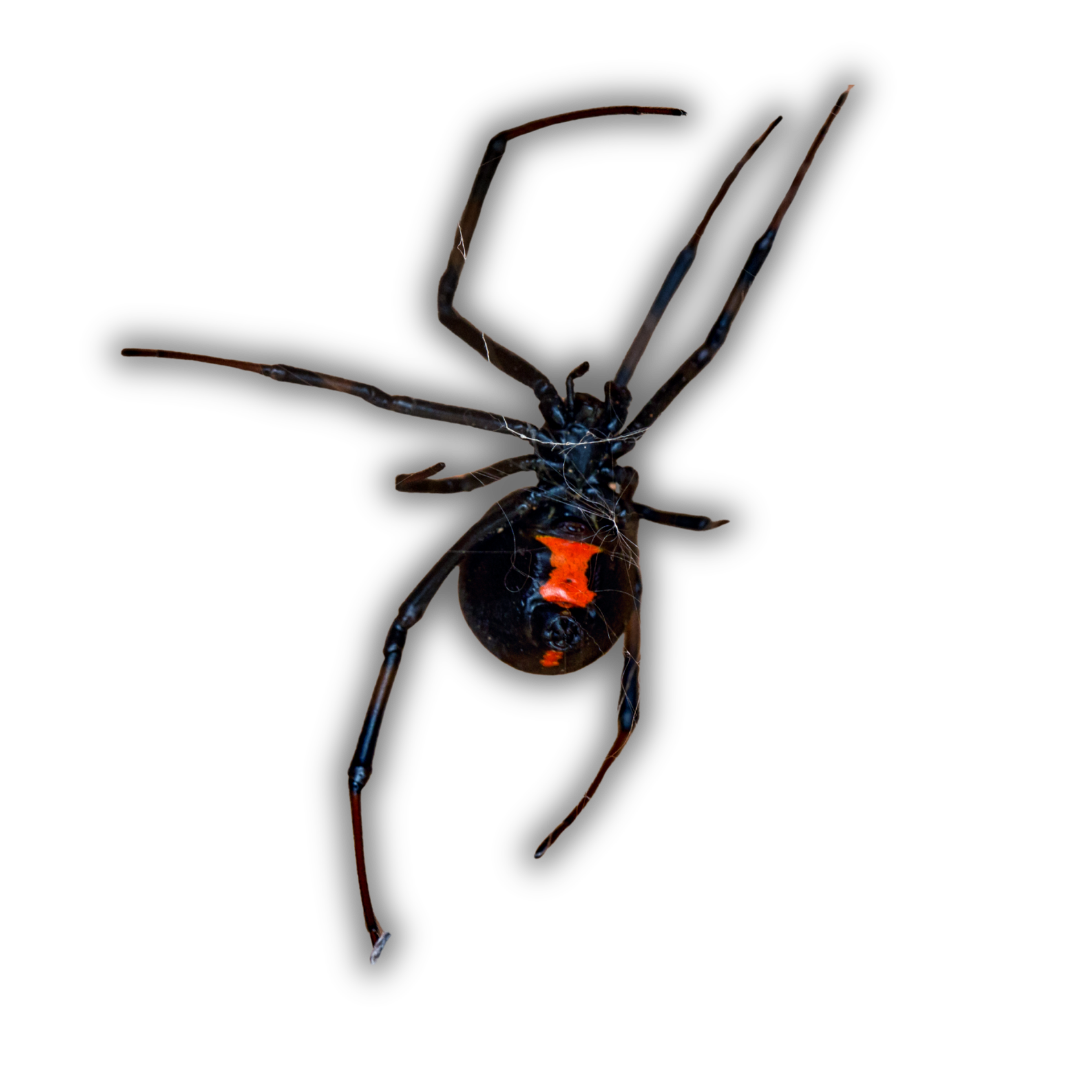
Solitary species like mud daubers and cicada killers pose almost no sting risk to humans while providing consistent pest control – mud daubers specifically prey on spiders, including black widows found commonly in central Texas garages and sheds.
Key Facts at a Glance
| Fact | Detail |
|---|---|
| Wasp species worldwide | Approximately 75,000 described species |
| Maximum colony size | Up to 50,000 workers in large yellowjacket colonies |
| Worker wasp lifespan | 12 to 22 days on average |
| Queen wasp lifespan | Approximately 12 months |
| Peak nesting season in central Texas | June through August |
| Stinging capable sex | Females only |
| Nest reuse | Nests are not reused the following year |
For additional context on stinging insect biology relevant to Texas, the stinging insect identification and management resources from Texas A&M AgriLife Extension offer region-specific guidance for homeowners and property managers.
If you are dealing with an active nest on your property, contact Stride Pest Control for professional removal – reaching our Austin office at (512) 777-1339 or our San Antonio office at (210) 547-8410.
Our Certifications & Awards
Stride Pest Control holds QualityPro and GreenPro certifications through the NPMA's Foundation for Professional Pest Management. QualityPro represents the pest management industry's highest accreditation - often called the "Good Housekeeping Seal of Approval" for pest control - requiring background checks on all employees, drug-free workplace policies, and adherence to 16 standards that exceed state and federal requirements.
The San Antonio office operates under TPCL #827449 with Certified Applicators Alexander Randall and Raul Ramos on staff. Both hold Pest and Termite categories through the Texas Department of Agriculture. We are active members of the Texas Pest Control Association and the National Pest Management Association, with team attendance at Pest World in 2023, 2024, and 2025.
Stride maintains a BBB A+ rating for the San Antonio location with zero complaints on file.








Customer Testimonials


Danielle N.
Google Reviewer
Stacey L.
Google Local Guide
John N.
Google Local Guide
Stride Pest Control received an average rating of 4.9 out of 5 stars

based on 2,400+ reviews.
Ready For FastSafeReliable Pest Control?
You do not have to live with pests. Stride Pest Control offers same-day service across Central Texas with a satisfaction guarantee on every treatment.
QualityPro Certified | Satisfaction Guaranteed
Austin Pest Control
15305 Ginger St
Austin, TX 78728
(512) 777-1339
Stride Pest Control
1311 Chisholm Trail Rd Suite 404B
Round Rock, TX 78681
(512) 254-8185
Stride Pest Control
3501 Pin Oak Dr #110
San Antonio, TX 78229
(210) 547-8410